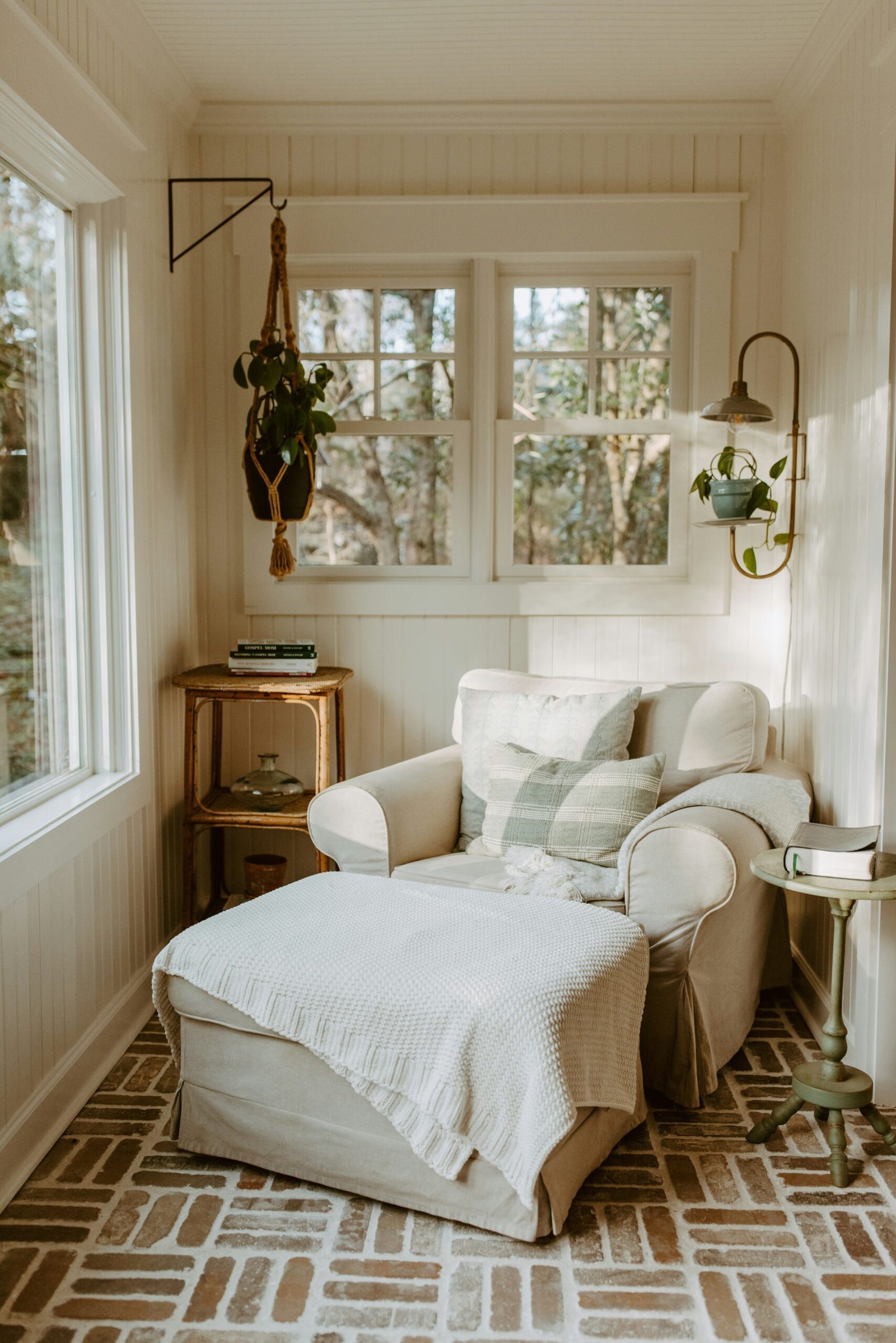
You can have a clean house. Cute decor. Even a cozy couch. And still feel weirdly tense at home for no obvious reason.
That’s because stress doesn’t only come from mess, noise, or bad lighting. It sneaks in through design choices that quietly mess with your brain and body in ways you never think to blame on your home.
Let’s talk about the less obvious design factors that raise your stress levels — and how to fix them without turning your life upside down.
1. Too Many “In-Between” Spaces
- That awkward area by the door.
- The corner that’s not a room but not nothing.
- The space that exists but has no purpose.
Why it stresses you out:
Your brain likes clarity. When spaces don’t have a clear function, your mind stays slightly unsettled. You might not consciously notice it, but your nervous system doesn’t love ambiguity.
Those undefined areas create low-grade mental friction — like your brain is constantly asking, “What am I supposed to do here?”
What actually helps:
- Give every space a job (even a small one)
- Turn awkward areas into micro-zones: drop zone, reading nook, plant corner
- Don’t leave areas “temporary” forever
Purpose = calm. Even a tiny purpose.
2. Furniture That Forces You to Be “Careful”
If you’re constantly thinking:
- “Don’t spill”
- “Don’t scratch this”
- “Don’t sit like that”
Your body never fully relaxes.
Why it stresses you out:
Stress increases when your home requires vigilance. If your furniture feels fragile or precious, you stay slightly on edge — even during downtime.
Your nervous system wants permission to exist without consequences.
What to do instead:
- Choose forgiving materials (washable, sturdy, flexible)
- Protect delicate items instead of policing yourself
- Move high-maintenance pieces out of daily-use zones
Your home should adapt to you, not the other way around.
3. Homes That Increase Cognitive Load
Cognitive load = how much mental effort your brain uses to function in a space.
When a home requires constant small decisions, your stress goes up — even if nothing is “wrong.”
Examples of high cognitive load at home:
- Not knowing where things belong
- Having to decide where to put items every time
- Furniture or layouts that don’t suggest how they’re meant to be used
What actually reduces stress:
- Clear “default” locations (keys, bags, daily items)
- Furniture that clearly communicates its purpose
- Consistency in how spaces are used
Less thinking = lower baseline stress. That’s not a vibe, that’s how brains work.
You might like: The Psychology of Cozy: Why Your Room Might Be Making You Stressed4. No Place for “In-Use” Items
Not clutter — in-progress things.
Your book.
Your journal.
Your water bottle.
Your knitting project.
Why it stresses you out:
When items you’re actively using don’t have a home, your brain treats them as unfinished tasks. That creates background anxiety — even if you’re resting.
What to do instead:
- Create designated “currently using” spots
- Use trays, baskets, or side tables
- Let these areas exist without guilt
This separates life in motion from mess — which is huge for mental peace.
You might like: Cottagecore Decor Ideas for Cozy Home Lovers on a Budget5. Overly Rigid Layouts
Homes designed to look perfect often don’t move with you.
Everything is placed just so.
Nothing can shift.
There’s no flexibility.
Why it stresses you out:
Rigidity creates pressure. If your home feels fragile or “locked in,” your body stays alert — afraid to disrupt the balance.
What helps:
- Allow movable furniture
- Use pieces that can multitask
- Let layouts evolve seasonally
A flexible home signals safety. A rigid one signals rules.
6. Design That Doesn’t Match Your Energy Level
Not everyone thrives in the same type of space.
Some people need softness.
Some need structure.
Some need minimal input.
Why it stresses you out:
When your home doesn’t match your energy needs, you’re constantly compensating — without realizing why you’re tired.
What to do instead:
- Observe where you feel most relaxed
- Copy those elements into other areas
- Design for how you feel, not what’s trendy
Your nervous system doesn’t care about aesthetics. It cares about alignment.
The Real Takeaway
Stress doesn’t only come from chaos.
Sometimes it comes from design that doesn’t support your nervous system.
Your home should:
- reduce decisions
- allow softness and flexibility
- support transitions
- feel emotionally safe
And when it does?
Your body notices. Even if you don’t.
Next, You’ll Love:
The Psychology of Cozy: Why Your Room Might Be Making You Stressed
Leave a Reply